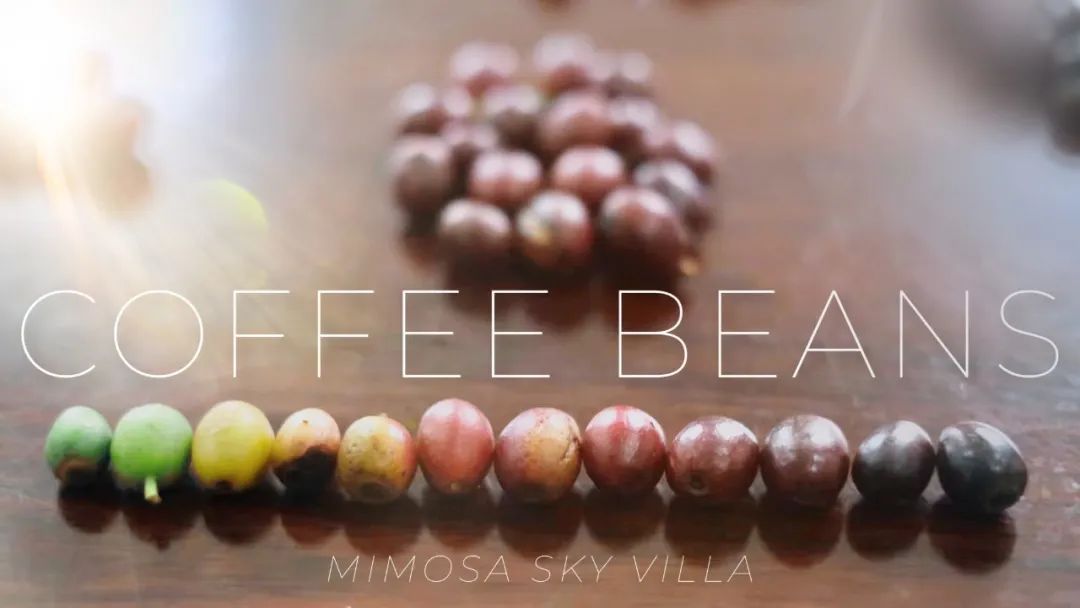
- Why is Yunnan coffee mostly commercial beans?
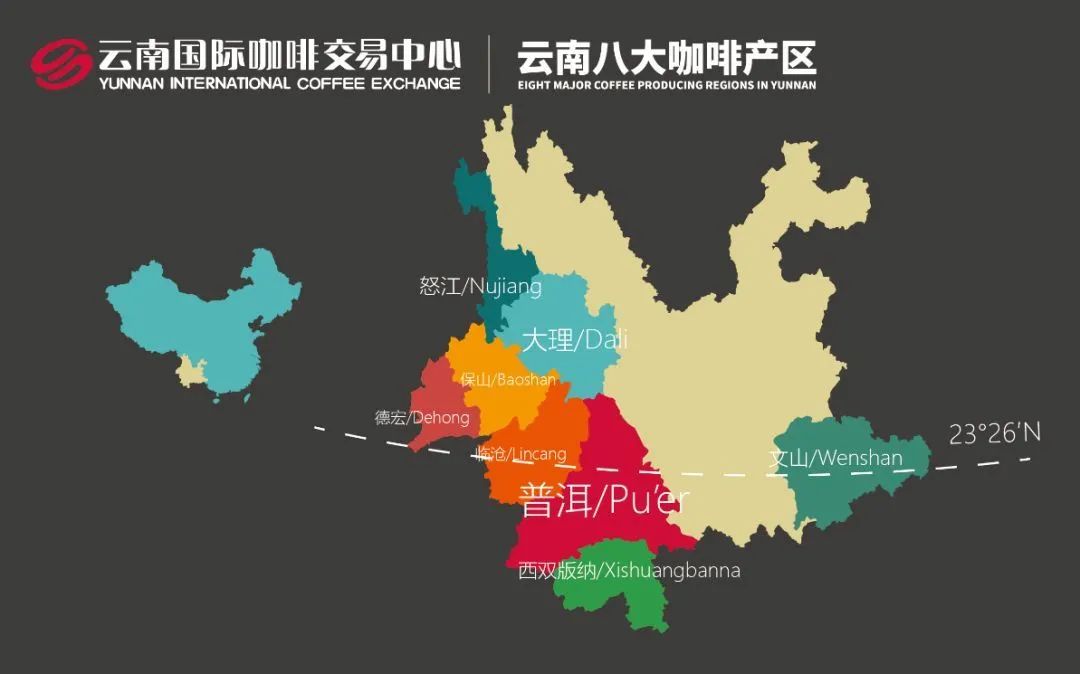
The western and southern parts of Yunnan Province are located between 15° north latitude and the Tropic of Cancer. Most areas are 1000-2000 meters above sea level. The terrain is mainly mountainous and slopes, with large undulations, fertile soil, sufficient sunshine, abundant rainfall, and large temperature difference between day and night. As a kind of sunshine plant, coffee can be It is said to be unique.
However, in the early days, Yunnan coffee was low due to the late start, no planting system, flavor label and other reasons.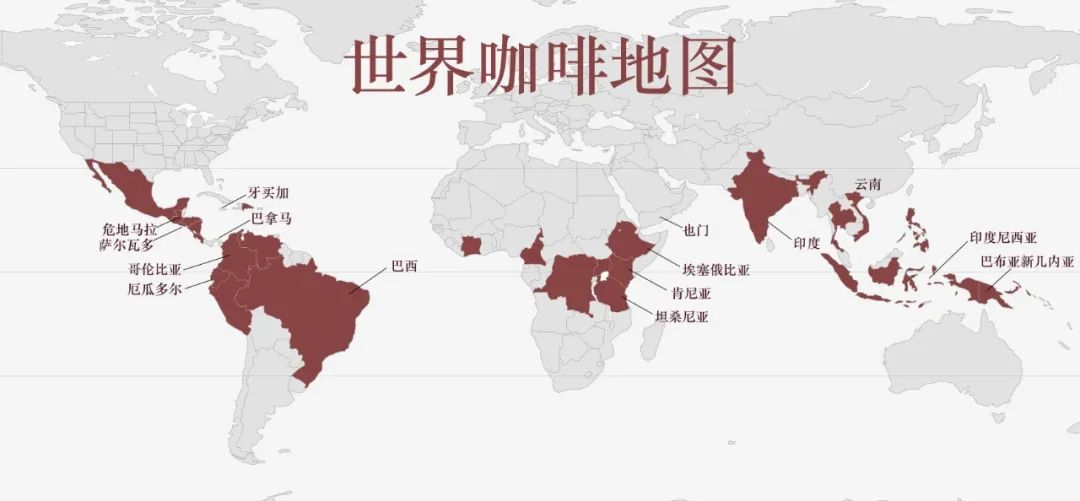
 In 1892, Tian Deneng, a French missionary, came to Zhu Kula Village, Binchuan, Dali for missionary activities. He used coffee fruit to breed the first coffee tree in front of the church. Due to the lack of strict seed selection and breeding, it has brought problems such as the degradation of coffee plants and uneven populations.
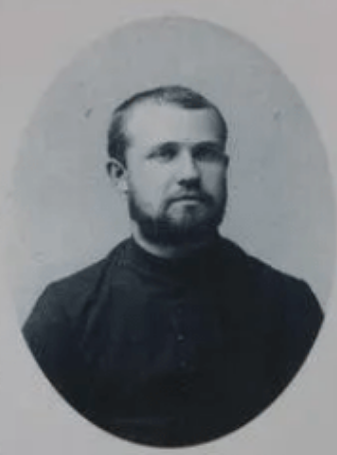
- Alfred Lietard, born on December 31, 1872 in Vieux-Conde (old Conde, a city in northern France), entered the seminary of the Foreign Mission in Paris, France on September 16, 1891, and became Catholic on June 28, 1896. The priest went to Yunnan on July 29, 1896 and was in charge of academic affairs in Kunming.
Since 1898, he has been responsible for preaching in Langyi Ngy-tsin (a rotten mud and other township in Ninghen County, Lijiang, Yunnan Province, where Tian Deneng has lived here for 6 years), and engaged in Yi studies, and later wrote and published the Fabao Dictionary and Axi Dialect Grammar; since 1904, he has been responsible for Pien-kio (Bin Chuanzhou) Mission;
- These varieties planted in Yunnan have not yet built their own taste labels. Most of the time, they are regarded as the "degraded" taste of the place of origin and become a secondary choice.
- Yunnan missed a good seed
- In fact, the real start of Yunnan coffee was in the early 1950s after liberation.
An overseas Chinese named Liang Jinshan introduced a good variety of coffee seedlings "iron pickup truck" from Ethiopia, the birthplace of coffee, and donated it to the country.
| iron pickup truck |
| Iron pickup is the native variety of Arabica, which is the origin of most coffee varieties now. It has low output and poor disease resistance, but extremely high quality. |
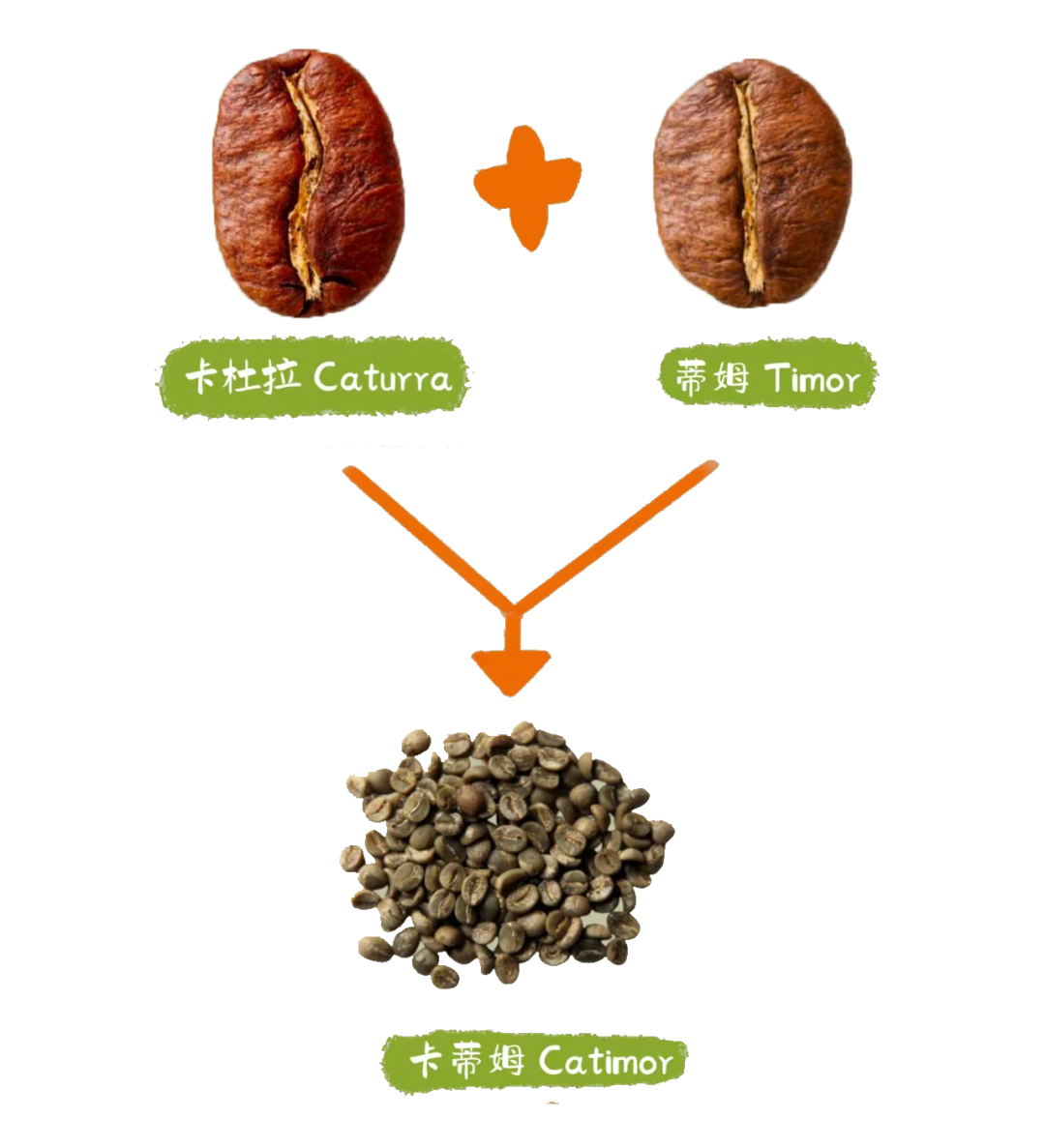
"Katim" is a multi-generation hybrid coffee bean, mainly from Arabica, mixed with a certain Robusta bean gene.It has short plants, high yield and strong disease resistance. And the beans also show the appearance of small grains, which is very similar to the iron pickup truck. But its taste has lost the delicate and smoothness of a considerable part of the purebred Arabica beans.However, due to the foreign giants promoting the new "coffee seed" "Katim" in western Yunnan, coffee farmers who do not know the truth have cut down old iron pickup trees and replant Katim.I thought that the quality of Yunnan coffee was going to jump, but I didn't expect that it was another ups and downs...It is found that Katim obviously has the smell of Yunnan red soil, and adds a little smell of Houttuynia, which is described as the tail rhyme of the devil in Mr. Han Huaizong's Fine Coffee Science.Because most of the coffee in Yunnan is Katim, and it is limited by rough processing methods, baking technology and coffee farmers' lack of professional knowledge in coffee cultivation, Yunnan coffee beans have been traded as commercial beans rather than high-quality beans for many years. Affected by the futures price of international coffee commercial beans, the price fluctuates greatly and affects coffee. With the enthusiasm of farmers, the scale of Yunnan coffee cultivation and the quality of fresh coffee fruits have further declined.
| For the refinement of coffee in Yunnan, China |


In the 2021-2022 "PCA Professional Coffee Skills Training Camp" cup GCEF China Yunnan coffee selection activity, mimosa sky villa Yunnan Manor coffee beans won a number of awards.
At the same time, the bean is also designated for the use of coffee beans in the 2022PCA Professional Coffee Cooking Master Competition.
We strictly control the consistency of coffee from the natural environment, picking quality, standardized equipment, standardized treatment and other multi-dimensional management in the production area.
The goal is to build the coffee industry into a green, ecological and environmentally friendly pillar industry in the cost area, and form a sustainable and sustainable operation.
| Yunnan can also "high-quality" boutique coffee |
In the 2022-2023 production season, Mimosen exclusively customized and a number of other self-owned processing technologies and fermentation processes, deeply participated in the initial processing of raw coffee beans, and produced this Yunnan boutique coffee with bright citrus sweetness and clean taste, which is made of Katim beans. The raw bean sample sent to SCA's ICP [In-Country Partner Domestic Partner] was scored by three Q-Grader qualified reviewers and scored a high score of 83.
It is a local and veritable specialty coffee!
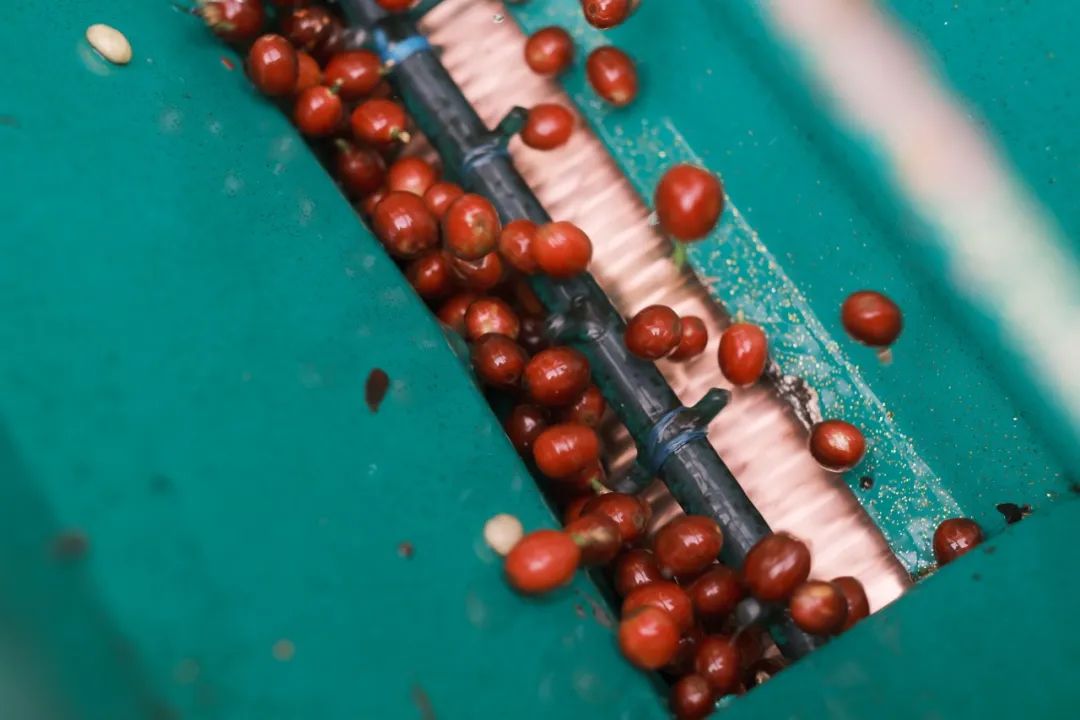
Definition of boutique coffee: At present, the most circulating definition on the market is proposed by CQI, and the mainstream uses the SCA scoring system to judge the scoring method around "quality". Boutique coffee does not allow any first-class defects, and in the 100-point cup evaluation score, a score of 80 points or above is defined as specialty coffee.
 In 1892, Tian Deneng, a French missionary, came to Zhu Kula Village, Binchuan, Dali for missionary activities. He used coffee fruit to breed the first coffee tree in front of the church. Due to the lack of strict seed selection and breeding, it has brought problems such as the degradation of coffee plants and uneven populations.


